
Straightening your teeth as an adult looks different than braces for a 13-year-old, and if you’re weighing options for yourself or your teenager, those differences matter. Understanding how braces for adults differ from braces for teens can help you choose with confidence. At Emily Funk Orthodontics, Dr. Emily Funk, a board-certified orthodontist, treats kids, teens, and adults with care tailored to each stage of life.
What Are Adult Braces vs. Teen Braces?
Adult braces and teen braces use the same core tools (brackets, wires, or clear aligners) to gradually shift teeth into better alignment. The main difference isn’t the appliance. It’s the biology. Teens have growing jaws that respond quickly to pressure, while adults have fully developed bone structure, which changes how teeth move and how long treatment takes.
Adults now make up a significant portion of orthodontic patients in the United States, with the American Association of Orthodontists reporting that roughly 1 in 4 orthodontic patients today is an adult. That shift reflects better aesthetic options and growing awareness that it’s never too late to work toward a healthier smile.
At Emily Funk Orthodontics, Dr. Funk and her team treat every age group with the same personalized attention. Whether you’re 13 or 53, you can achieve healthy, stable, long-lasting results when treatment is planned around your individual anatomy and goals.
How Treatment Works Differently by Age
Braces work by applying steady, gentle pressure that moves tooth roots through the surrounding bone. The bone remodels around the new position, locking teeth into place. That biological process looks a little different depending on age.
Here’s how treatment varies:
- Teen jaws are still developing. Younger bone is more malleable, so teeth often shift faster and respond well to growth-guided movement.
- Adult bone is denser. Fully mature bone remodels more slowly, so adult tooth movement tends to be gradual and highly predictable.
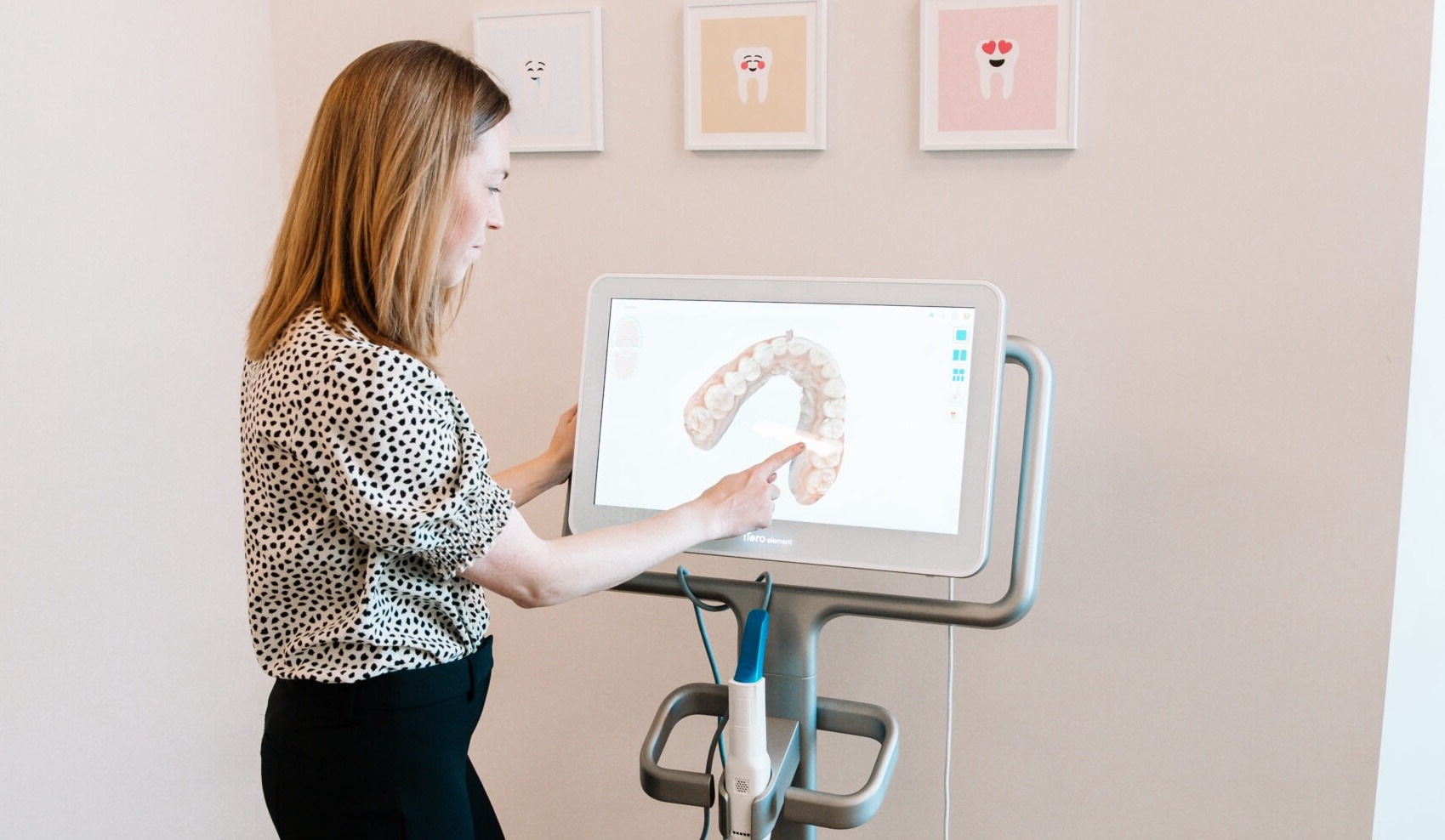
- Imaging and planning are more detailed for adults. 3D scans with the iTero digital scanner help Dr. Funk map complex cases involving older restorations or settled bite patterns.
- Adult care often involves teamwork. Treatment plans frequently coordinate with your general dentist, periodontist, or restorative specialist to protect existing crowns, implants, or gum tissue.
- Compliance matters at every age. Wearing aligners the recommended hours per day or keeping up with elastics directly affects how smoothly treatment progresses.
With teens, Dr. Funk takes advantage of active growth to guide jaw development and tooth position at the same time. For adult cases, the focus shifts toward precise, controlled movement that respects the mature bite and any existing dental work. Both approaches lead to strong clinical results. They just take slightly different paths.
Benefits of Braces at Any Age
A straighter smile does more than look good. The health benefits apply whether you’re a teen getting braces for the first time or an adult finally making the move.
Benefits for both age groups include:
- Easier cleaning. Straight teeth are simpler to brush and floss, which lowers the risk of cavities and gum disease.
- A more balanced bite. Correcting how your teeth meet reduces jaw strain, headaches, and uneven wear on tooth enamel.
- Better function. Properly aligned teeth support clearer speech and more comfortable chewing.
- Everyday confidence. A smile you feel good about shows up in job interviews, first dates, school photos, wedding pictures, and the quick hallway chats that fill a normal day.
For teens specifically:
- Treatment during active growth can guide jaw development and prevent future complications.
- Early correction may reduce the need for more complex work later in life.
- Teens build a healthy foundation that supports lifelong oral health, including fewer cleaning struggles with crowded teeth.
For adults specifically:
- Many adults address relapse from untreated issues or from orthodontic work done years ago that shifted after retainer wear stopped.
- Correcting long-standing bite issues can relieve TMJ discomfort and reduce enamel wear.
- Adult patients frequently tell Dr. Funk they stopped covering their mouth in photos, started smiling in Zoom meetings, and felt more at ease during presentations or client dinners.
As the Emily Funk Orthodontics team likes to say, a beautiful smile is a confident one. There’s no expiration date on that.
Adult Braces vs. Teen Braces: Side-by-Side Comparison
Here’s how the two experiences generally compare:
| Factor | Teen Braces | Adult Braces |
|---|---|---|
| Typical treatment time | 12–24 months | 18–36 months |
| Bone density | Flexible, actively growing | Denser, slower to remodel |
| Case complexity | Usually straightforward | May involve crowns, implants, or gum concerns |
| Aesthetic preferences | Often choose colorful bands | Prefer clear braces or clear aligners |
| Primary motivation | Parent guidance and peer influence | Confidence, function, long-term health |
| Oral health prep | Minimal, routine cleaning | May need periodontal clearance first |
| Compliance challenges | Remembering elastics, aligner wear | Fitting treatment into busy work schedules |
| Common appliance choice | Metal braces, clear aligners | Clear braces, clear aligners |
Both age groups benefit from the same modern tools. The difference lies in how Dr. Funk tailors the plan to match where each patient is in life. Treatment is never one-size-fits-all, and that’s especially true when comparing a 14-year-old to a 44-year-old.
Who Is a Good Candidate at Each Age?
Candidacy depends on oral health, bone support, and treatment goals. Dr. Funk evaluates each patient individually, but here are the general guidelines.
Teens are typically ready when:
- Most permanent teeth have erupted (usually ages 11–16).
- Growth is still active, which allows for jaw guidance.
- Oral hygiene habits are strong enough to care for braces or aligners.
Adults are typically good candidates when:
- Gums and bone support are healthy, with no untreated decay.
- Any active gum disease has been treated first.
- They’ve experienced relapse from previous orthodontic treatment, a very common reason adults return for care.
- They have crowns, bridges, or implants that can be worked around with custom planning.
A visit with Dr. Funk, a board-certified orthodontist, and a 3D scan with the iTero scanner confirms candidacy for either age group. If you’ve been wondering whether you’re too old or your teen is too young, the answer is almost always the same. Let’s take a look.

Frequently Asked Questions
Is it better to get braces as an adult or child?
Earlier treatment is often easier because growing jaws respond more quickly to orthodontic movement. That said, adults achieve excellent clinical results every day. The best time to get braces is when you’re ready and committed, no matter your age.
Is age 15 too late for braces?
Not at all. Age 15 is still an ideal time for orthodontic treatment. Most permanent teeth have erupted, and growth is often still active enough to support efficient tooth movement. Many teens begin treatment around this age with great results.
Is it more uncomfortable to get braces as an adult?
The level of soreness is similar for both age groups, usually mild tenderness for a few days after each adjustment. Adults may feel pressure a bit longer because mature bone takes more time to remodel. Over-the-counter relief and soft foods help both teens and adults through the first week.
What type of braces feel most comfortable?
Self-ligating braces and clear aligners typically create less friction and pressure than older-style metal braces. Clear aligners, in particular, apply gentle, gradual force and have no brackets or wires to irritate the inside of the cheeks. Dr. Funk can recommend the most comfortable option for your specific case, factoring in your bite, lifestyle, and daily routine.
Do adult braces take longer than teen braces?
Often, yes, but only slightly. Adult treatment typically runs 18 to 36 months, while teen treatment often falls in the 12-to-24-month range. The difference comes down to bone density, not the appliance itself.
Ready to Reveal Your Confident Smile?
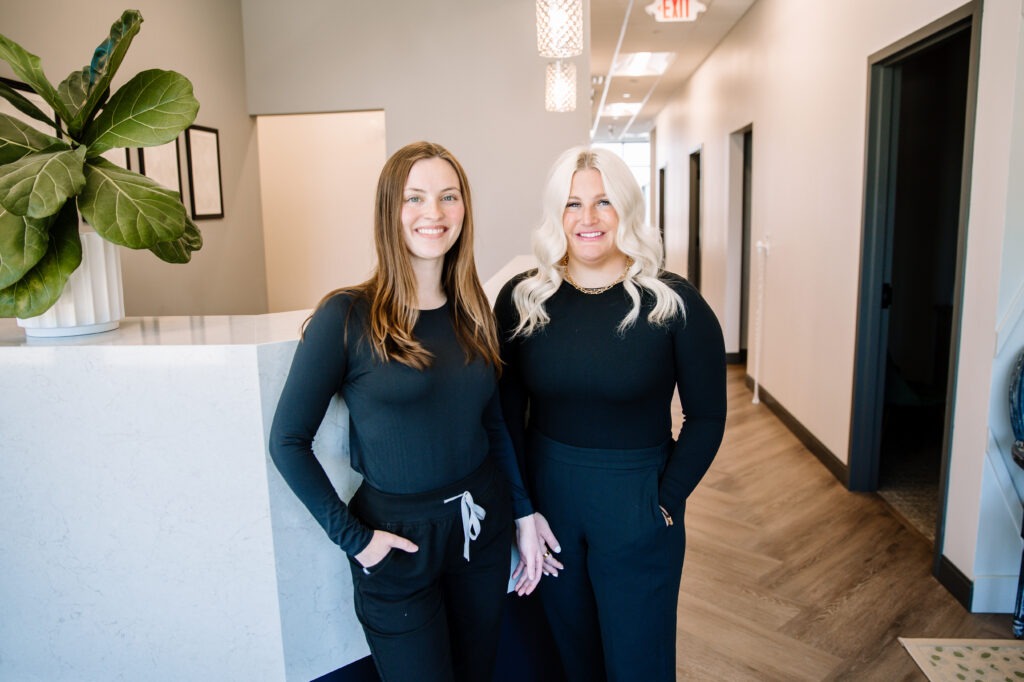
Whether you’re exploring options for your teen or finally making time for your own smile, Dr. Emily Funk and her team are ready to help. At Emily Funk Orthodontics in Chester Springs, one doctor, one location means you’ll receive personalized care from your first visit through your last retainer check, with Dr. Funk guiding every step.
Stop by the Chester Springs office at 240 Windgate Dr., Suite A6, or call 484-359-4615 today to schedule your free consult. Everyone deserves a confident smile. Let us help reveal yours.